

“Enabling Communication Everywhere”
Inclusive Communication
We are a team of specialist Speech and Language Therapists with over 50 combined years of experience supporting people of all ages with speech, language and communication needs across NHS, educational and organisational settings.
Using our clinical expertise, we design high-quality communication boards and visual supports that help create more inclusive, communication-friendly environments. Our aim is to make communication accessible for everyone — whether at school, in the community, in public spaces or within organisations.
We all share the same vision: to make the world a more inclusive place for individuals with communication needs. We believe that all forms of communication are valid, and that everyone deserves the opportunity to express themselves, be understood and have their voice heard.
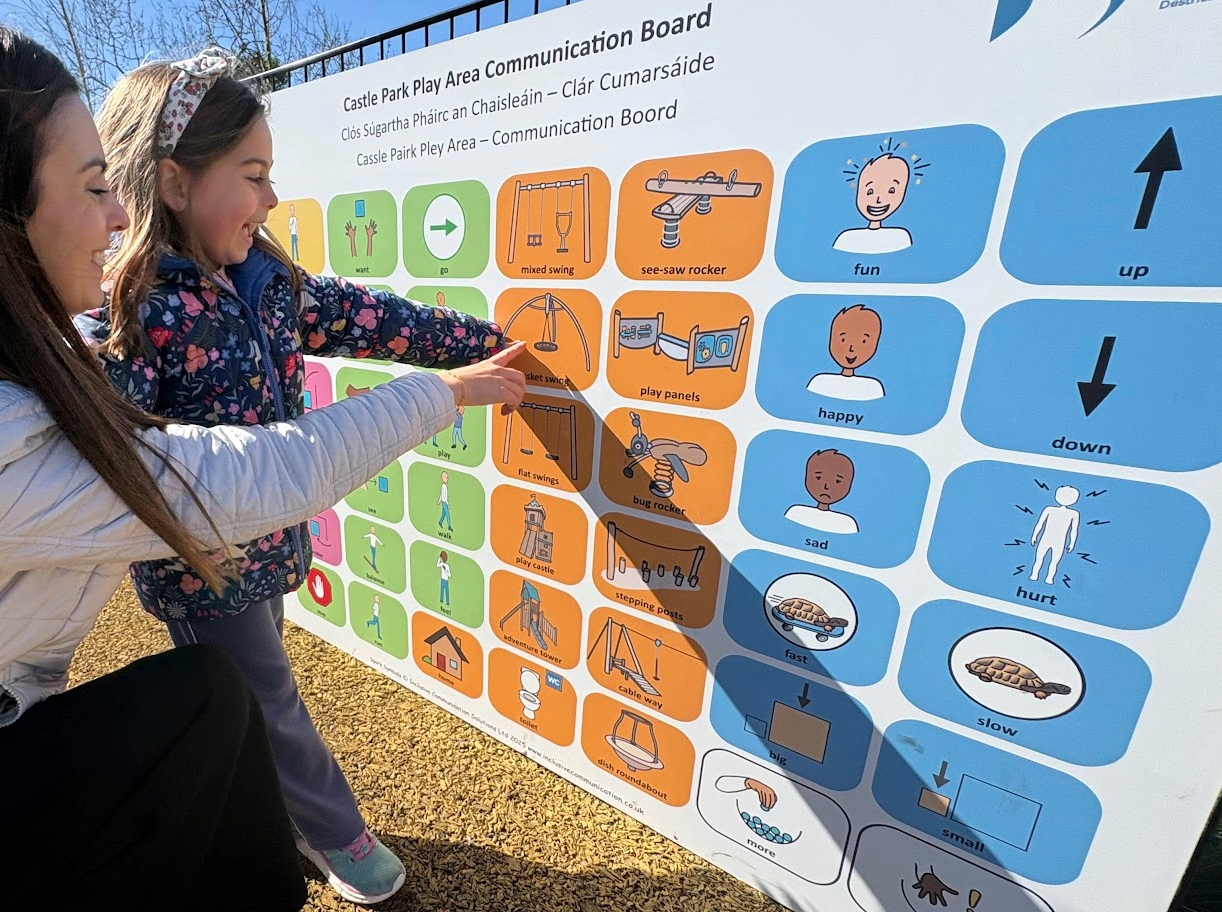
Our Aims
Our aim is to support councils, leisure facilities schools and attractions to enhance their visitors' experience by supporting them to create communication-inclusive environments. The impact on peoples’ lives is far reaching, read on to find out more.
Enabling Communication Everywhere
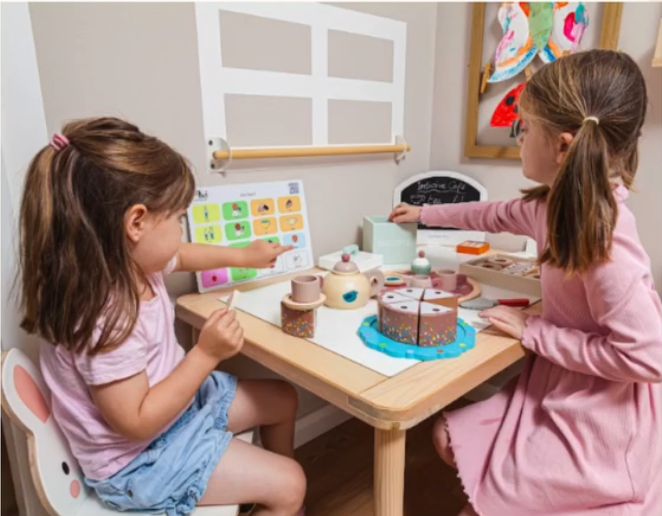
Our communication boards support children and adults with speech, language and communication needs to express their wants, needs choices and feelings across a wide range of environments.
By making communication more accessible in public spaces, community settings, attractions and everyday environments, communication boards can help people feel more confident, independent and included.
Having a reliable way to communicate can also reduce anxiety when visiting new or unfamiliar places, helping individuals to access and enjoy their community more easily.
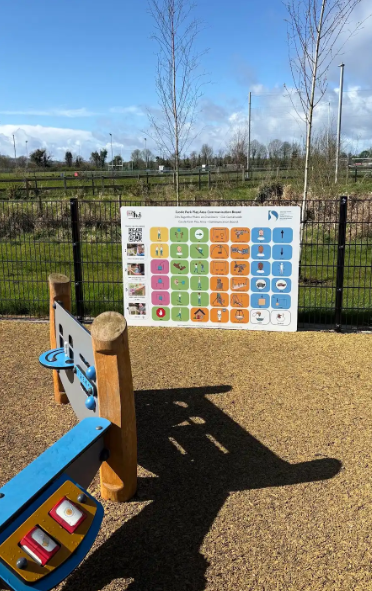
Raising Awareness and Promoting Inclusion
Increasing the visibility of communication boards in public spaces helps raise awareness and understanding of speech, language and communication needs.
When communication support is visible and readily available, it encourages members of the public to recognise different ways of communicating and feel more interacting with communication board users.
This can help create more inclusive, communication friendly environments where everyone has greater opportunities to participate, connect and feel understood.
Making a Difference in the Community
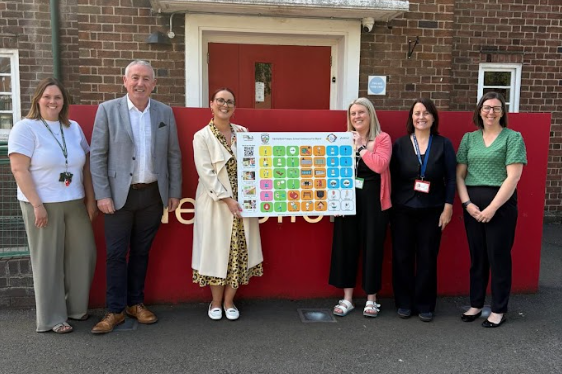
We are proud to see our communication boards supporting greater accessibility and inclusion at Midsummer Place. Read about the project in the local press.
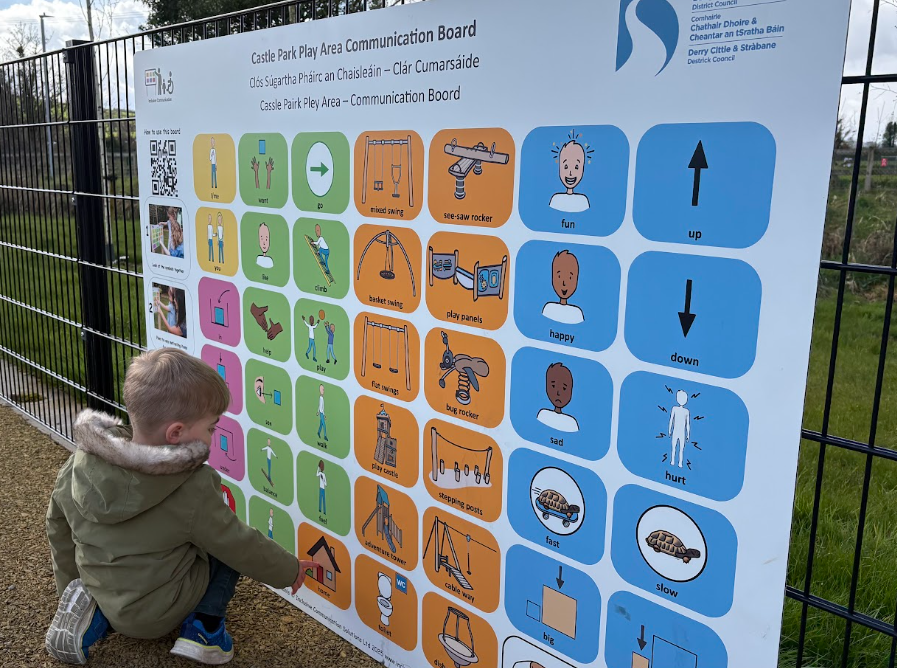
Empowering People
Our boards have a series of photos which show people how to use the board. Where appropriate, a QR code can be added on request, linking to a video demonstration of how the board can be used.
Seeing how to use the board helps people to feel confident and empowers members of the public to communicate with individuals that have speech, language and communication needs.
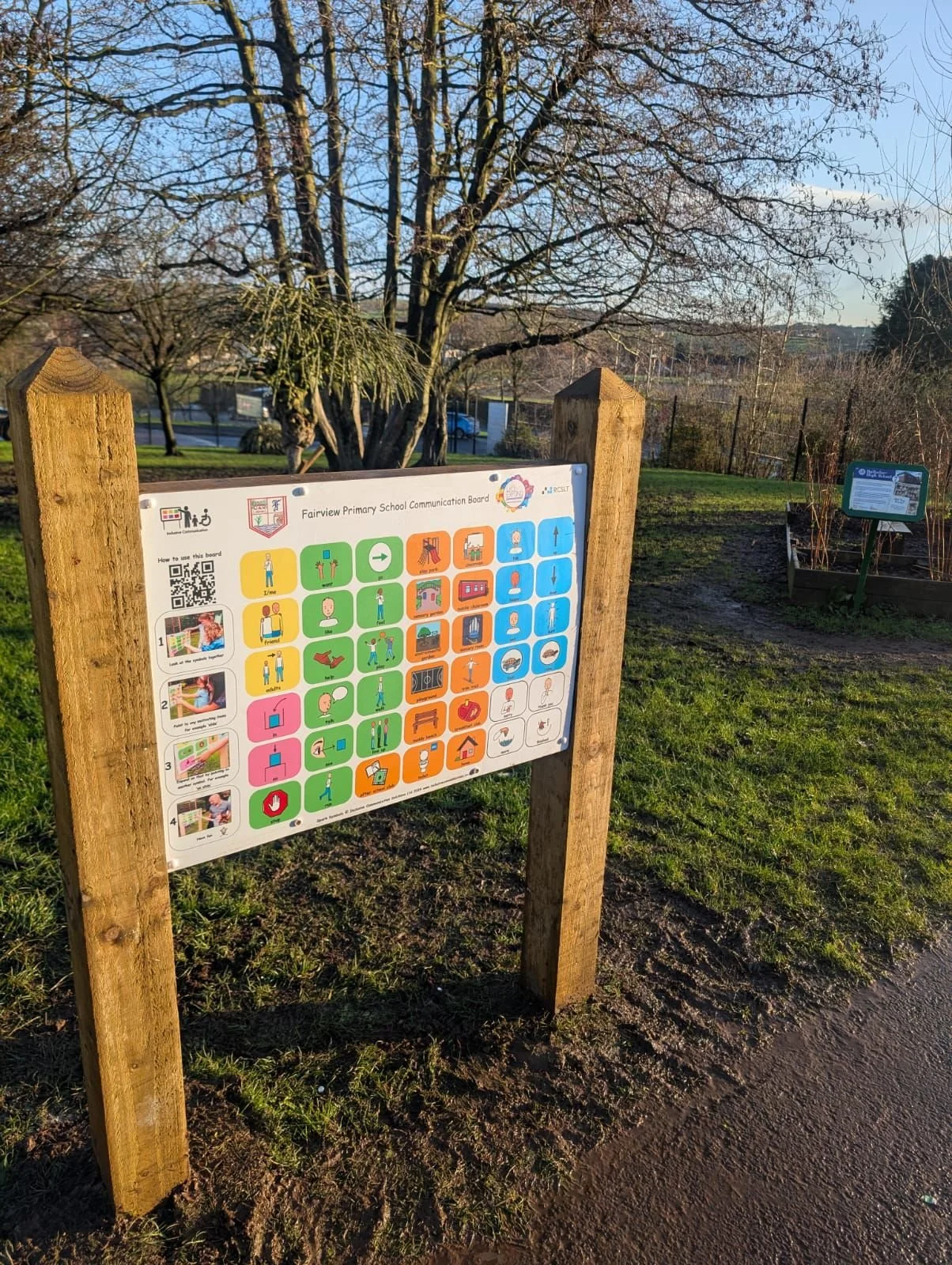
Providing High Quality Boards
We use our specialist knowledge and clinical expertise in speech and language therapy to design high quality inclusive communication boards that are carefully tailored to support effective communication.
Our communication boards:
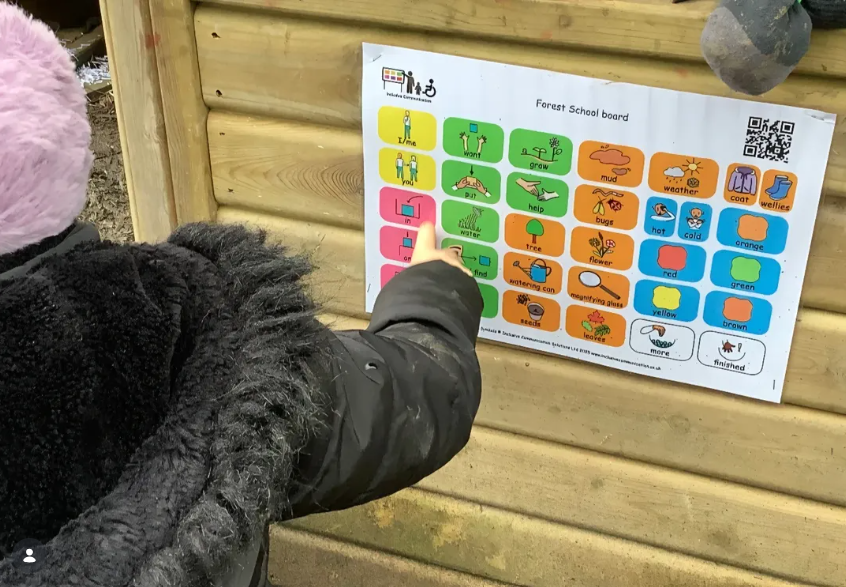
Use a universal colour coding system to support understanding and make vocabulary easier to find.
Feature a carefully considered layout, that supports users to develop their communication from single words to longer phrases and sentences.
Use Spark Symbols© - clear, meaningful coloured symbols representing objects, actions, emotions and much more.
Are designed to be accessible, practical and easy to use across a wide range of public, community and educational environments.
The importance of being an accessible organisation
What is inclusive communication?
Inclusive communication is an approach that enables as many people as possible to take part in interactions by recognising and valuing different communication styles, strengths and needs.
Everyone communicates differently. Spoken words are just one way of sharing information; communication may also include symbols, signs, gestures, facial expressions, writing and communication boards. All forms of communication are valid and meaningful.
Using a range of communication methods, including visual supports and AAC (augmentative and alternative communication), helps people with speech, language and communication needs to understand, express themselves and feel included.
Combining speech with symbols or signs adds meaning and gives people more time to process information, respond and participate in conversations.
Who has communication difficulties?
Around 1.9 million children in the UK have speech, language and communication needs (SLCN), which can make it difficult to understand language, express themselves or communicate with others.¹
Many people also benefit from alternative ways of communicating. Around 1 in 200 people in the UK use augmentative and alternative communication (AAC)² , although the number of people who could benefit from communication support and visual supports is likely to be much higher.
AAC includes a range of communication methods, such as communication boards using words, symbols and pictures, which help people express their needs, choices, thoughts and feelings.
¹https://speechandlanguage.org.uk
²https://www.rcslt.org/speech-and-language-therapy/clinical-information/augmentative-and-alternative-communication/#section
What is AAC and Who Uses It?
AAC stands for Augmentative and Alternative Communication. It refers to ways of communicating that support or replace spoken language, including communication boards, symbols, pictures, signs, gestures and other visual supports.
AAC can support people who have difficulty communicating through speech, including (but not limited to) people with autism, cerebral palsy, learning disabilities, multiple sclerosis, stroke and a range of other communication needs.
Many people use AAC alongside speech to make communication easier, clearer and more successful.
Take a look at our blog for more information about AAC and inclusive communication.
Our offer
Whether you are at the beginning of your journey in exploring how you can make your spaces more communication-inclusive or have a clear vision for your organisation, we have the expertise to help.
Get in touch to discuss how we can create bespoke communication boards and training packages to support your setting to become fully inclusive.
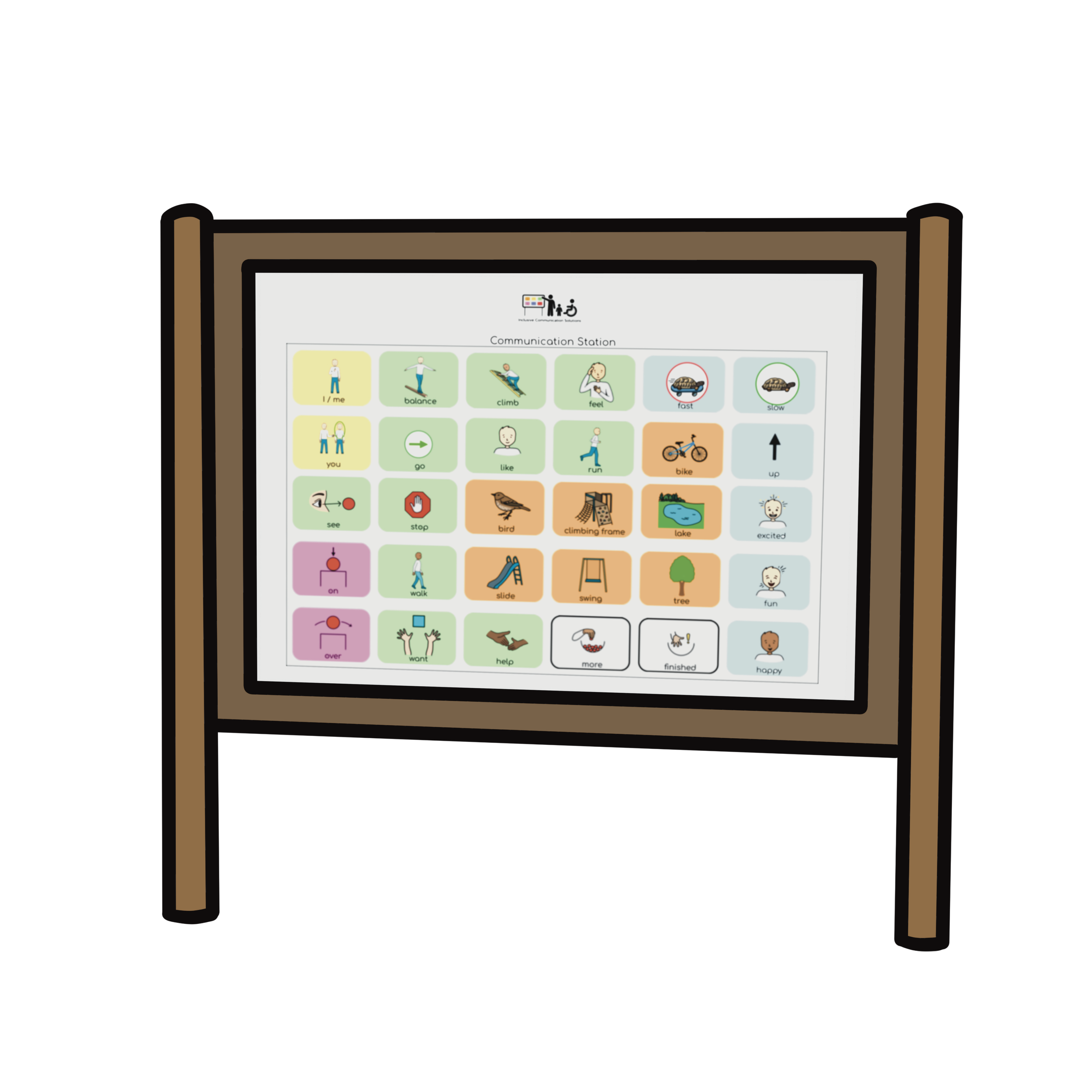
What is a communication board?
For the user it:
Boosts confidence and provides an opportunity to start a conversation
Allows the user to voice an opinion, comment, comment or ask a question
Can help repair misunderstandings
Enables a feeling of inclusion
For organisations it:
Will ensure that all of your visitors feel valued
Shows that you are aware of people’s needs and that you can offer accessible support
Boosts the confidence of your staff when talking to people with communication difficulties
Find out more here.
A communication board is a form of AAC. AAC stands for Augmentative and Alternative Communication, which simply means, different ways of enabling people to communicate a message.
Spoken words disappear quickly. Many people with communication difficulties need time to process information.
Using visuals can not only help an individual to express themselves, but support their understanding too.
Take a look at our blog to find out more.